How Peristaltic Pumps Work
Peristaltic pumps are a remarkably simple yet highly effective method for transferring fluids while keeping the liquid completely isolated from the pump mechanism. The core principle involves mechanically compressing a flexible tube, much like squeezing toothpaste from a tube. This action creates a moving seal that pushes the fluid forward. Because the fluid only contacts the tubing interior, these pumps offer excellent contamination protection and are easy to maintain. Known since the 19th century as roller pumps, they have evolved into a versatile category of positive displacement pumps used across industries from pharmaceuticals to agriculture.
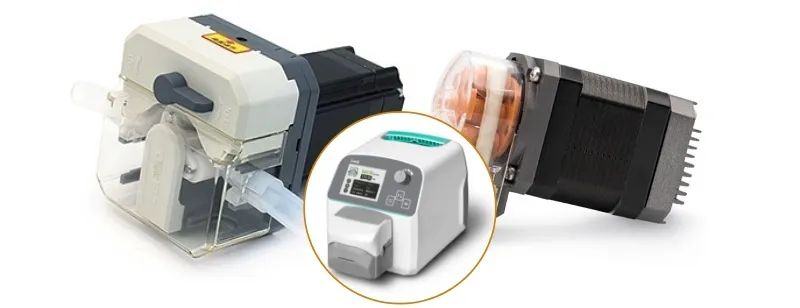
Types of Peristaltic Pump Mechanisms
While all peristaltic pumps rely on tube compression, the specific implementation varies. The two primary designs are roller-based and shoe-based mechanisms, each with distinct advantages.
Roller Pumps
In a roller pump, a set of rotating rollers presses against the tubing trapped between the roller and a curved housing. As the roller moves, it occludes the tube and pushes the fluid ahead. This design is ideal for applications requiring gentle handling, such as medical infusions or biological fluid transfer, because the rolling action creates a smooth, low-shear flow. Roller pumps are typically simpler, quieter, and sufficient for the majority of moderate-duty tasks.
Shoe Pumps
For heavy-duty industrial environments, shoe pumps replace rollers with rigid sliding shoes. These shoes press directly against the tubing, generating higher pressures and greater wear endurance. The shoe mechanism can handle more abrasive fluids and thicker viscous materials. However, the increased friction leads to faster tube wear and more pulsatile flow. Industries such as chemical processing or concrete pumping often prefer shoe-style peristaltic pumps for their reliability under high pressure.
Tubing Material Selection: Matching the Fluid
The tubing is the only wetted part, so choosing the right material is critical. Options range from inexpensive to highly specialized:
- Silicone tubing: Excellent for biocompatibility, with low toxicity and high flexibility. Preferred in medical and food applications. However, it may swell or degrade with some solvents.
- PVC tubing: A cost-effective option with good chemical resistance for many water-based fluids. It is not suitable for strong acids, bases, or organics.
- Specialty tubing: Materials like Viton, Norprene, or Teflon are available for aggressive chemicals, high temperatures, or low-extraction requirements.
Always verify chemical compatibility and consider factors like hardness, abrasion resistance, and pressure rating. The tube's inner diameter and wall thickness directly affect flow rate and pump performance.
Applications and Considerations
Peristaltic pumps excel where cleanliness and gentle pumping are paramount. They are self-priming, can run dry without damage, and offer reversible flow. These attributes make them popular for:
- Medical and pharmaceutical: IV drips, dialysis, drug dosing.
- Laboratory: Precise dosing of reagents and media.
- Industrial: Chemical transfer, slurry handling, wastewater sampling.
- Agriculture: Fertilizer dosing and irrigation lines.
- Food and beverage: Transferring syrups, sauces, and dairy products.
Dosing with Stepper Motors
A specialized application is dosing pumping, where exact volumes must be delivered. By coupling a peristaltic pump head with a stepper motor, you gain precise control over rotational speed and hence flow rate. This setup allows fine metering of chemicals or pharmaceuticals, often used in automated processes.
Flow Rate and Pulsation
Peristaltic pumps produce a pulsatile flow due to the periodic compression of the tubing. While some applications require smooth flow, adding pulsation dampeners or using multiple roller heads can reduce fluctuations. The flow rate is determined by tube diameter, roller or shoe speed, and the pump's head design.
Making Your Own Peristaltic Pump
For hobbyists and researchers, building a custom peristaltic pump from scratch is an engaging project. As previously covered on our site, DIY pumps can be constructed using 3D-printed parts, simple motors, and flexible tubing. Such projects are excellent for understanding the mechanics and for applications where a low-cost, basic pump suffices—for example, in homemade flow batteries or small-scale pharmaceutical synthesis.
Conclusion
Selecting the right peristaltic pump depends on your specific fluid properties, required pressure, flow precision, and budget. Roller-based designs offer simplicity and gentle handling, while shoe pumps deliver higher pressure for industrial toughness. Tube material must match the chemical nature of your fluid. With proper selection, a peristaltic pump provides reliable, contaminant-free fluid transfer for decades. Whether you are building a lab setup or a large industrial line, understanding these nuances ensures your fluid handling task is squeezed with confidence.