Masamune Shirow's Ghost in the Shell stands as a cornerstone of cyberpunk storytelling. Since its debut in 1989, this manga has fascinated readers with its deep exploration of identity, technology, and corruption in a near-future world. Here are ten crucial things you need to know about this iconic work.
1. Original Manga Debut in 1989
The Ghost in the Shell manga first hit shelves in 1989, written and illustrated by Masamune Shirow. It was published in Kodansha's Young Magazine and later collected into a single tankobon volume. This original work established the core cyberpunk aesthetic and philosophical questions that would define the series. Shirow's detailed art style and dense narrative set a new standard for the genre, blending action with deep discussions about the nature of consciousness.
2. Futuristic Setting: New Port City
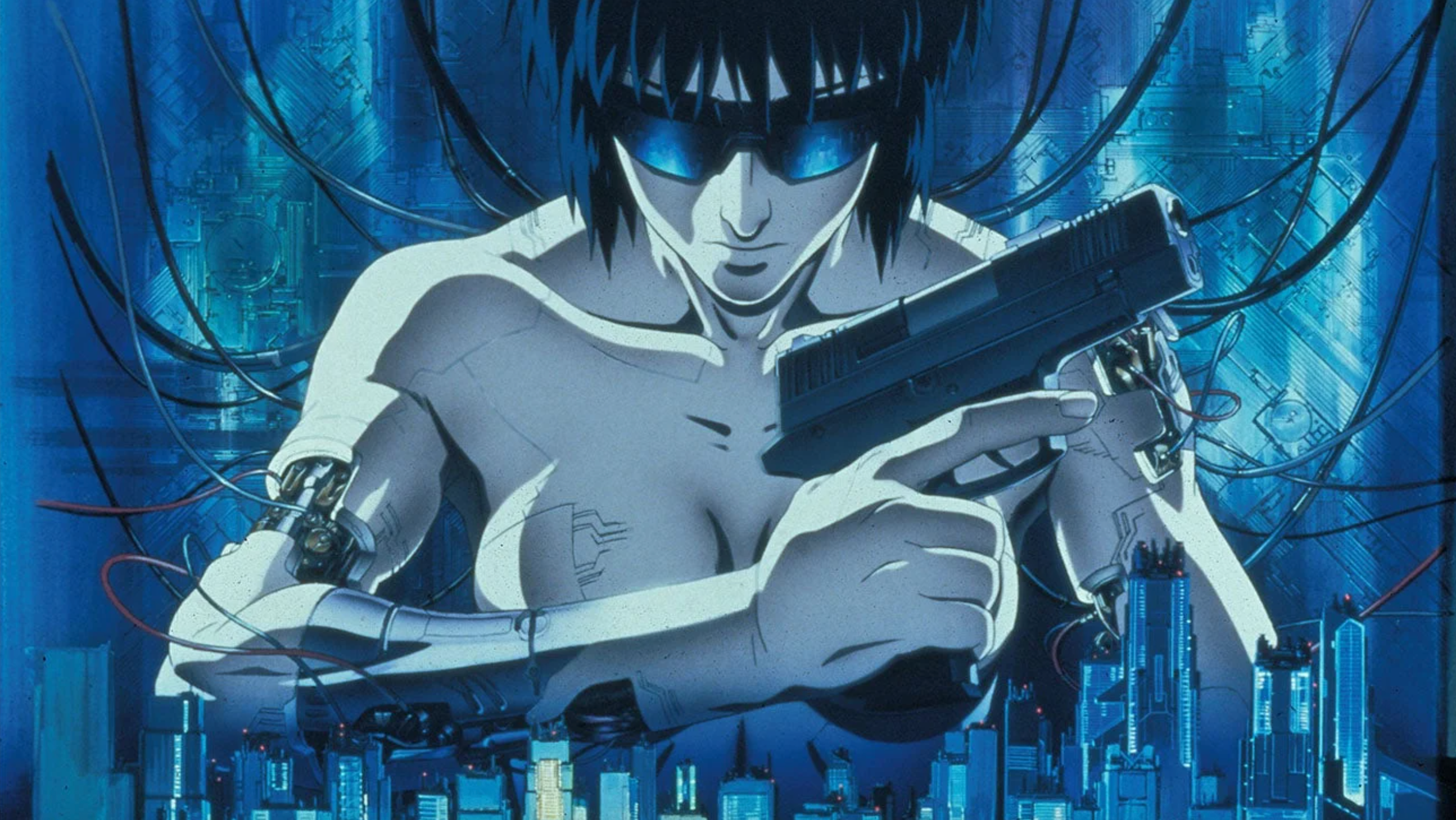
The story unfolds in New Port City, a sprawling metropolis that combines advanced technology with urban decay. This fictional city, located in Japan, serves as a perfect backdrop for tales of cyber-crime and corporate espionage. The city's name itself suggests a hub of global trade and information flow, making it a natural breeding ground for hackers and cyberterrorists. Its depiction of a future where digital and physical worlds collide has influenced countless other works.
3. Protagonist: Major Motoko Kusanagi
Major Motoko Kusanagi is the field commander of Public Security Section 9 and the central character of Ghost in the Shell. She is a highly skilled operative with a cyborg body, which makes her both powerful and vulnerable. Her quest for identity and understanding of her own ghost (consciousness) drives much of the narrative. Kusanagi has become an iconic figure in manga and anime, representing strength, intelligence, and existential angst.
4. Cybernetic Enhancement and Vulnerability
In this world, cybernetic augmentation is common, but it comes with risks. Major Kusanagi's entire body, except for her brain, is synthetic. This makes her susceptible to hacking attacks that can manipulate her memories, actions, or even kill her. The concept of a cyborg body as both a weapon and a liability is central to the plot, highlighting the dangers of merging human and machine.
5. Public Security Section 9
Section 9 is a specialized anti-cybercrime task force that operates under the Japanese government. Led by Chief Daisuke Aramaki, the team includes experts in hacking, combat, and investigation. Their missions often involve tracking down the Puppet Master, a notorious hacker, and other threats. Section 9's dynamic and moral ambiguity reflect the complexity of law enforcement in a tech-driven society.
6. Core Themes: Identity and Consciousness
Ghost in the Shell delves deep into philosophical questions about what it means to be human. The term "ghost" refers to the soul or consciousness, and the story explores whether a cybernetic body can house a true ghost. These themes anticipate modern debates about AI and transhumanism, making the manga remarkably prescient. The narrative challenges readers to consider the boundaries of selfhood in an age of technological fusion.
7. Major Adaptations Across Media
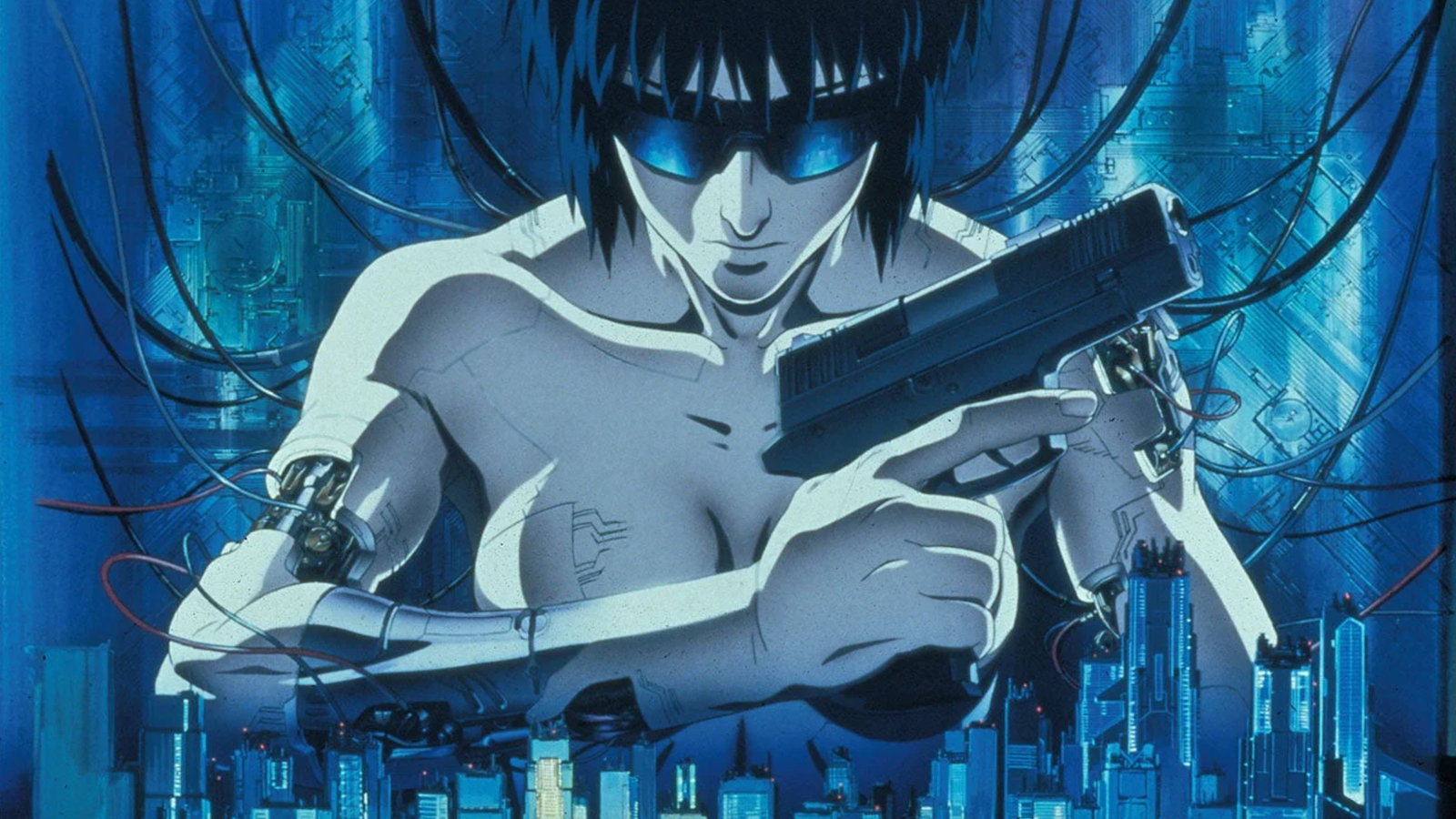
The manga has spawned a vast media franchise. It includes two influential animated films (1995's Ghost in the Shell and 2004's Innocence), the television series Stand Alone Complex, and multiple ONA entries. In 2017, a Hollywood live-action adaptation starring Scarlett Johansson brought the story to a wider audience, though it received mixed reviews. Each adaptation reinterprets the core ideas while staying true to the original spirit.
8. Influence on the Cyberpunk Genre
Masamune Shirow's work helped define cyberpunk in the late 20th century. Alongside Blade Runner and Neuromancer, Ghost in the Shell established visual and thematic tropes: rain-slicked cityscapes, neon lights, and the fusion of human and machine. Its impact can be seen in later works like The Matrix, which directly borrowed concepts such as the "ghost" and the idea of digital reality.
9. Art Style and Storytelling Techniques
Shirow's art is known for its intricate detail, combining mechanical precision with fluid action sequences. He uses dense panels filled with technological schematics and dialogue, creating a rich, immersive world. The storytelling often weaves together multiple subplots and philosophical digressions, rewarding careful reading. This complexity is a hallmark of his style and a reason for the series' enduring appeal.
10. Legacy and Cultural Significance
Three decades after its release, Ghost in the Shell remains a touchstone in manga and sci-fi. It has inspired academic discussions, fan theories, and new generations of creators. The franchise continues to expand with new anime adaptations and spin-offs, proving its timeless relevance. As technology evolves, the questions it raised about identity and privacy become ever more urgent.
From its groundbreaking art to its profound themes, Ghost in the Shell continues to captivate audiences. Whether you're a longtime fan or a newcomer, these ten facts offer a deeper appreciation of this cyberpunk masterpiece. Explore each section to uncover the layers of one of the most important manga ever created.