Introduction: A New Hope for Autoimmune Patients
When Jan Janisch-Hanzlik, a 49-year-old nurse, watched her multiple sclerosis rob her of independence—forcing her out of active nursing, making her fear carrying her grandchildren, and even planning for a wheelchair—she clung to a radical idea. That idea was CAR T cell therapy, a cancer treatment being repurposed to reset the immune system in autoimmune diseases. Originally designed to hunt down and destroy cancer cells, this therapy is now in hundreds of clinical trials for conditions like lupus, MS, Graves' disease, and vasculitis. The goal: eliminate the rogue immune cells that attack the body's own tissues, essentially rebooting the patient's defenses to a pre-disease state. Here are seven key things to know about this revolutionary approach.
1. From Cancer to Autoimmunity: The Scientific Leap
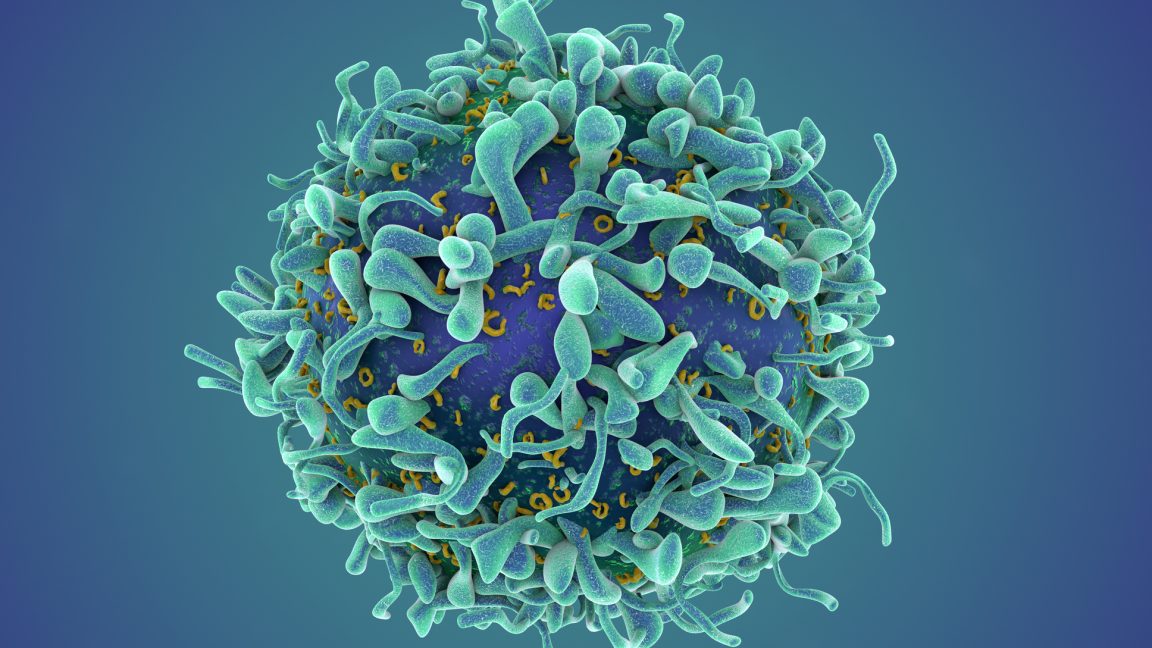
CAR T cell therapy, short for chimeric antigen receptor T-cell therapy, was first developed to treat blood cancers like leukemia and lymphoma. It works by extracting a patient's T cells, genetically engineering them to recognize and attack specific markers on cancer cells, and then infusing them back into the body. Now, researchers are applying the same principle to autoimmune diseases: instead of targeting cancer cells, the engineered T cells are programmed to hunt down self-reactive B cells—the immune cells that mistakenly produce antibodies against the body's own tissues. This shift from oncology to immunology is one of the most exciting developments in modern medicine, offering a potential one-time treatment for chronic conditions that currently require lifelong management.
2. A Patient's Persistence Paid Off: Jan's Story
Jan Janisch-Hanzlik's journey illustrates the desperation and determination driving this research. Despite taking the best available medications, her multiple sclerosis continued to worsen. She called the University of Nebraska Medical Center every other month, asking about a CAR T trial until they finally enrolled her as the first patient. Her story underscores a crucial point: for many autoimmune sufferers, standard therapies are insufficient. CAR T offers hope not just for symptom control, but for a fundamental reset of the immune system. While results are still early, Jan and others like her represent the vanguard of a potential paradigm shift in treating autoimmune diseases—from managing symptoms to potentially curing the underlying immune dysfunction.
3. The Scope of Diseases Being Targeted
Clinical trials are exploring CAR T therapy for a wide spectrum of autoimmune conditions. These include multiple sclerosis, where immune cells attack the myelin sheath around nerves; lupus, a systemic disorder affecting skin, joints, and organs; Graves' disease, which causes hyperthyroidism; and vasculitis, inflammation of blood vessels. The common thread is the presence of self-reactive B cells that drive pathology. By depleting these B cells, CAR T therapy aims to halt disease progression and allow the immune system to regenerate with a healthier repertoire. Early data from small trials are encouraging, with some patients achieving drug-free remission—a feat rarely seen with conventional therapies.
4. How CAR T Differs from Other Treatments
Unlike immunosuppressive drugs that broadly dampen the entire immune system, CAR T therapy is like a precision strike. It specifically eliminates the B cells responsible for producing autoantibodies while sparing other immune cells. This targeted approach reduces the risk of infections and other side effects common with chronic immunosuppression. Additionally, current treatments often require continuous dosing, whereas CAR T is a one-time infusion. The engineered cells can persist in the body for months or even years, providing ongoing surveillance. This durability could mean that patients might not need to take daily pills or regular injections, dramatically improving quality of life. However, the therapy is not without risks, including cytokine release syndrome and neurological effects, which require careful monitoring.
5. The Procedure: What Patients Can Expect
Receiving CAR T therapy is a multistep process that typically takes several weeks. First, the patient undergoes leukapheresis—a procedure that collects white blood cells, including T cells. These cells are then sent to a lab where they are genetically engineered to express chimeric antigen receptors (CARs) that target a specific B cell marker, usually CD19. After the cells are multiplied, the patient receives a short course of chemotherapy to deplete existing lymphocytes, creating space for the new cells. Then, the engineered CAR T cells are infused back into the patient. Post-infusion, patients are monitored closely for side effects. While the process is intense, many autoimmune patients have tolerated it well, with some experiencing rapid improvement in symptoms within weeks.
6. Early Results and Ongoing Challenges
Early clinical trials in lupus and multiple sclerosis have reported remarkable outcomes: some patients have achieved sustained remission without further medication. For instance, in a small lupus study, several participants saw their disease activity scores drop to zero after CAR T therapy. However, challenges remain. The therapy is expensive, with costs potentially exceeding $500,000 per treatment. Manufacturing is complex and time-consuming, though newer 'off-the-shelf' allogeneic CAR T products are being developed. Long-term durability is still unknown—will the immune reset last a lifetime, or will disease recur? Researchers are also investigating whether CAR T could trigger new autoimmune reactions or increase cancer risk. Despite these hurdles, the potential to transform autoimmune disease care is driving rapid advancement.
7. The Future: From Trials to Standard Care
If ongoing trials continue to show positive results, CAR T therapy could become a standard option for certain autoimmune diseases within the next five to ten years. Regulators like the FDA are already expediting reviews for promising therapies. Key steps include proving safety and efficacy in larger, randomized controlled trials, and scaling up manufacturing to reduce costs. Scientists are also exploring ways to make the therapy safer and more effective—for example, by using 'suicide switches' to deactivate CAR T cells if needed. For patients like Jan, who now hopes to avoid a wheelchair and return to an active life, the prospect is life-changing. The revolution in cancer treatment is now knocking on the door of autoimmune disease, offering a new era of hope.
Conclusion: A Transformative Moment in Medicine
CAR T cell therapy represents a fundamental shift in how we approach autoimmune diseases—from managing symptoms to potentially resetting the immune system. Jan Janisch-Hanzlik's story is just one of many that highlight the profound impact this therapy could have. While challenges like cost, safety, and long-term efficacy remain, the momentum behind CAR T research is undeniable. As clinical trials expand and data accumulate, this revolutionary cancer treatment may indeed transform the lives of millions living with autoimmune conditions. The next few years will be critical in determining whether CAR T becomes a cornerstone of autoimmune care—a true reset for the body's defenses.