Forget vinyl and CDs—there's a quieter revolution happening in audio circles. The MiniDisc, once dismissed as a niche format, is experiencing a quiet renaissance in 2026. Combining the digital precision of a CD with the mix-tape soul of a cassette, this pocketable wonder is winning over new fans and reminding old ones why it never deserved to fade away. From its unique recording abilities to its enduring durability, here are ten things you need to know about MiniDisc in 2026.
1. What Exactly Is a MiniDisc?
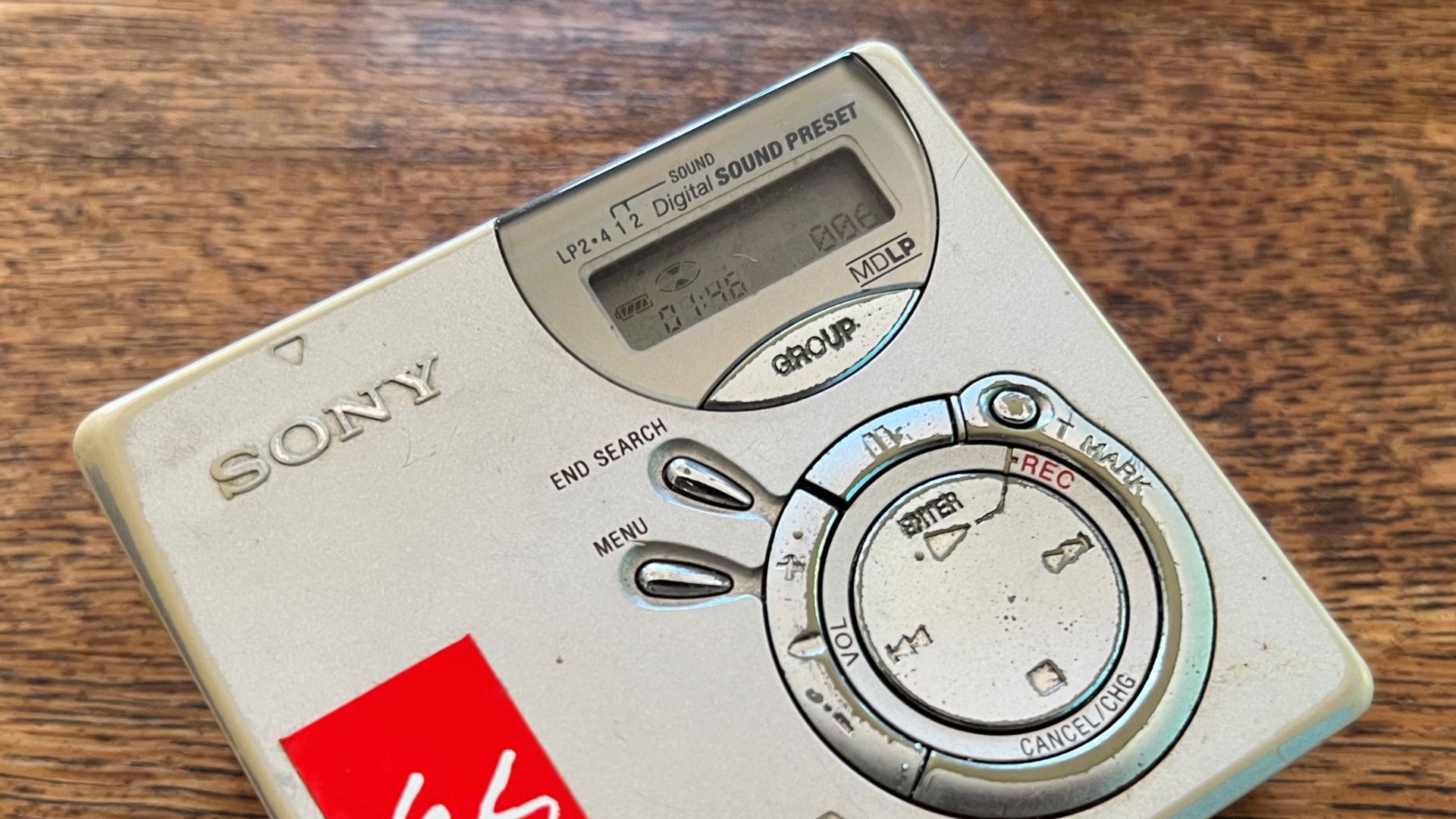
MiniDisc is a magneto-optical disc format introduced by Sony in 1992. Housed in a protective cartridge, the disc measures just 64 mm in diameter—smaller than a CD but larger than a memory card. It stores audio using Sony's proprietary ATRAC compression, which allows up to 80 minutes of music on a standard disc. Unlike cassettes, MiniDiscs offer instant track skipping and digital-quality sound. In 2026, the format remains a beloved oddity: part digital, part analog, entirely fascinating.
2. Why It Was Always Under-Appreciated
Despite its ingenuity, MiniDisc never achieved mainstream success outside Japan and Europe. Critics pointed to its compressed audio (though early ATRAC was quite good) and the dominance of CD and later MP3. Yet for those who used it, MiniDisc was a revelation. It allowed you to record, erase, and re-record like a cassette but without the hiss and wear. In 2026, its lack of mass adoption means a tight-knit community of enthusiasts and a steady supply of vintage players.
3. MiniDisc vs. Vinyl, CD, and Cassette in 2026
Vinyl offers warmth, CD offers flawless digital, and cassette offers lo-fi nostalgia. MiniDisc splits the difference: it provides digital convenience (no skipping, small size) with the tactile joy of physical media. You can slide a disc into a portable player, press record, and capture radio or your own mixes. Unlike vinyl, it's portable; unlike CD-R, it's rewritable. In 2026, MiniDisc stands alone as the format that does everything—though not everything perfectly.
4. The Players: Portable, Durable, and Still Working
Walk into any thrift store or browse online auctions, and you'll find Sony MZ-R series players that still operate after 25 years. MiniDisc players are renowned for their build quality—metal chassis, spring-loaded mechanisms, and laser assemblies that rarely fail. In 2026, you can pick up a working unit for under $50, though high-end models (like the MZ-RH1) command premium prices. The format's durability is a major draw for those tired of disposable tech.
5. Mix Tape Culture, Digitized
The MiniDisc was the ultimate mix-tape machine. You could record from CD, radio, or even other MiniDiscs with perfect digital copies. The ability to name tracks, rearrange playlists, and split or combine songs gave it a power cassettes never had. In 2026, creating a personal MiniDisc compilation is a deliberate, satisfying ritual—far more engaging than dragging files into a streaming playlist.
6. Sound Quality: ATRAC Then and Now
Early ATRAC (Adaptive Transform Acoustic Coding) was a lossy codec, but it improved dramatically. By version 4.5 and later (especially ATRAC3plus), sound quality rivaled 256 kbps MP3. Audiophiles may notice a slight loss of high-frequency detail, but for most listeners, a MiniDisc recording sounds indistinguishable from CD. In 2026, you can even transfer recordings to a computer via USB (on NetMD players), preserving that unique digital signature.

7. The Community: Alive and Well
Online forums like minidisc.org and Discord servers buzz with activity. Enthusiasts share recording tips, repair guides, and even custom firmware for NetMD players. In 2026, you can find blank discs (new-old-stock) from Japan, replacement batteries, and even newly manufactured accessories. This community ensures the format won't disappear—it's too loved.
8. Collectibility: The Hunt for Rare Discs and Players
Limited-edition players (like the Sony MZ-E10 with its all-metal body) and promotional discs are highly sought after. A sealed, rare MD can sell for $100 or more. In 2026, collecting MiniDiscs is a niche but rewarding hobby—like hunting for vinyl pressings but with the added thrill of a format that feels futuristic even today.
9. How to Get Started in 2026
Pick up a used player (the Sony MZ-N505 is a great, affordable starter), a few blank discs, and a working remote. Record from your phone's headphone jack or a CD player. For advanced use, get a NetMD unit to manage tracks via PC software. The learning curve is gentle, and the reward is a tangible music collection you can hold in your hand. Start with players and recording tips.
10. The Future of MiniDisc
Will MiniDisc ever return as a mainstream format? Almost certainly not. But in 2026, it thrives as a cult classic. New-old-stock discs will dwindle, but the existing base of hardware is robust. Some enthusiasts are even experimenting with modern ATRAC encoding to improve longevity. For now, MiniDisc remains the perfect antidote to streaming fatigue—a format that demands your attention and rewards it with a unique listening experience.
Conclusion
MiniDisc in 2026 is more than a nostalgia trip; it's a viable alternative for those who crave ownership, control, and a tactile connection to music. Its blend of digital accuracy and analog warmth—combined with a passionate community—ensures it will be enjoyed for years to come. Whether you're revisiting old favorites or discovering it for the first time, MiniDisc offers a musical adventure that still feels fresh.